Steel tariffs explained: Why is the EU doubling them — and at what cost?
The EU announced last week that it would double its tariffs on steel to 50 percent, bringing them in line with US levels. Studio Europa Maastricht spoke with Mark Sanders, Associate Professor of International Economics at Maastricht University about the latest developments surrounding the increase in steel tariffs.
"What this move means for the European economy? The standard economist response: it depends. The economic effects of this policy will come, if they come, through impacts on European steel prices and, to a much lesser degree, production volumes. The price effects are most important, as steel is an input in a wide range of industries. But the price effects are probably limited. That is because this tariff is not the only tariff. It was raised from 25 to 50 on all non-EU steel above 2013 import levels, not in response to the tariff of the US on EU steel but in response to the presumed dumping of Chinese steel on world markets that intensified after the US put up barriers to Chinese imports.
Already before the trade and tariff wars the Chinese have invested heavily in their steel industry and subsidised the sector, causing it to create a significant overcapacity. Now that the US market is no longer available to them, this overcapacity floods the non-US markets, most notably the EU. We need more steel for the defence industry, but not that much more and we do not want to depend on China for that supply. So Europe now sets a tariff on all non-EU steel to protect domestic production capacity. "
Read the entire article (in Dutch) on the website of Studio Europa Maastricht.
Also read
-
Air conditioning isn’t the only solution during heatwaves, but what is?
Air conditioners are not always the best solution to cope with heat, says Hannah Pallubinsky, Assistant Professor of Nutrition and Movement Sciences at the Faculty of Health, Medicine and Life Sciences. A much better approach is to gradually acclimatise yourself to the heat or take a siesta.
-
Temporary appointments of rector and Executive Board chair extended
The Maastricht University Supervisory Board has decided to extend the temporary appointments of Executive Board chair Pamela Habibović and rector magnificus Jan Smits.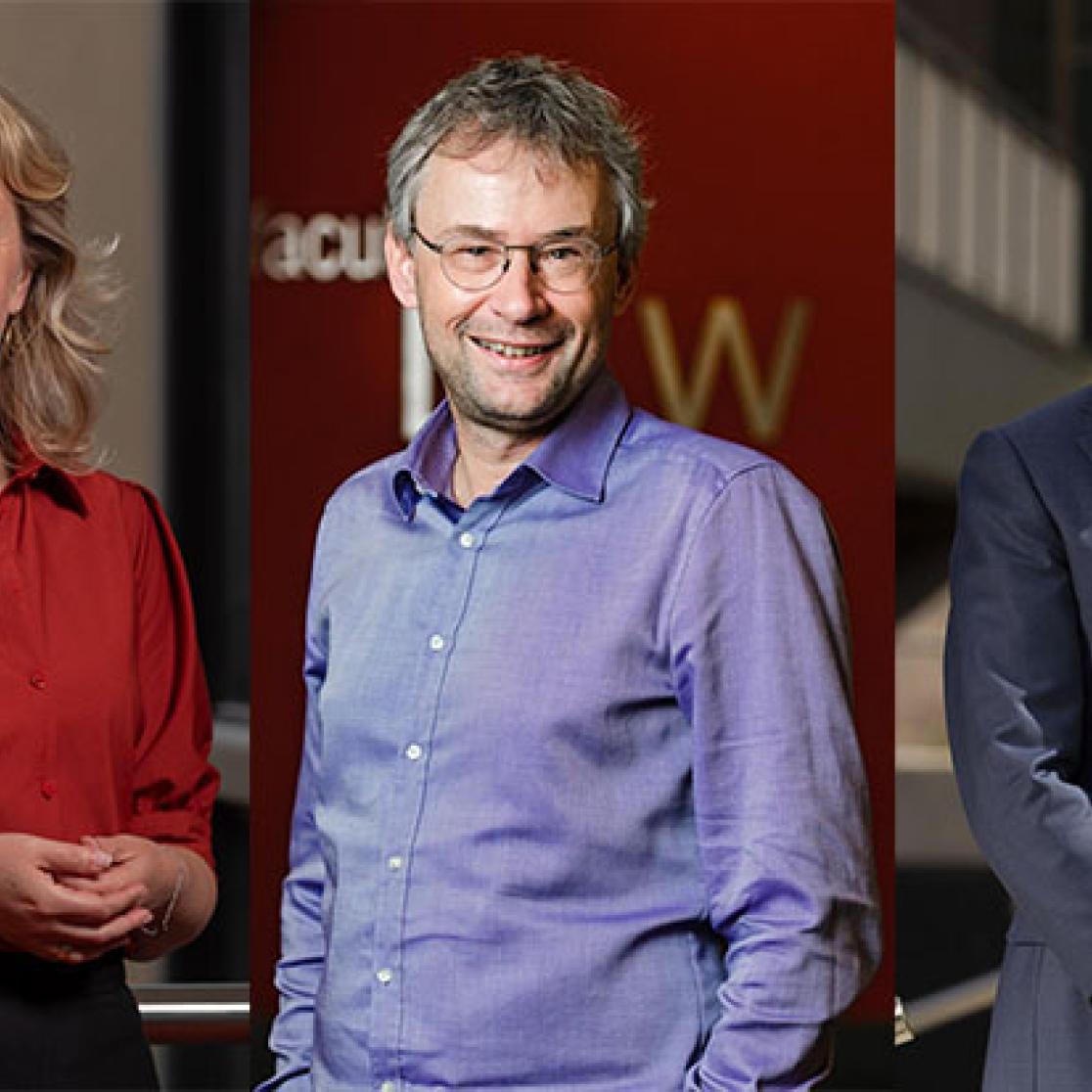
-
Evidence-based e-learning modules for sexual safety in higher education
Eight universities and universities of applied sciences are developing e-learning modules for the Dutch higher education sector to help reduce sexual misconduct and sexually inappropriate behaviour.