Crafting sustainability, value and beauty during Covid-19
While traveling back and forth between the UK and Finland for work on a weekly basis, UM alumna Felizitas Oppel longed for a more sustainable lifestyle, even though she loved her job in product development in the cosmetics industry. At the same time, Felizitas was frustrated by how difficult it was to find high quality, long-lasting jewelry at affordable prices. Most of what she could find as a consumer were 'fashion jewelry' that quickly tarnished and eventually would need to be thrown away. This gave her an idea: what if she combined her desire for a lifestyle shift with the need for affordable yet sustainable jewelry?
Through conversations with a dear friend from her bachelor's days at SBE, Felizitas was inspired to learn more about quality standards, processes and pricing markups in the gold jewelry industry, and what she discovered was shocking. Determined to find a way to produce and offer lasting and sustainable gold jewelry, Felizitas began searching for trustworthy material sources and production partners, a task that the Covid-19 pandemic and Brexit have made much more challenging.
Networking and cocreation during lockdown
Hundreds of emails, telephone and zoom conversations later, all the while engaging in value cocreation in branding and product design, Felizitas successfully launched Oriad Jewelry in December 2020. With offerings of classic designs in ethically and sustainably sourced solid 14k gold and natural diamonds, Oriad delivers on its promise of 'affordable fine jewelry for everyone.' Felizitas explains: 'This is jewelry that will last forever, that expresses beauty inside and out, and that will become even more precious as time goes on'. Even the product packaging is eco-friendly, including materials that are printed with soy inks and 100% compostable.

Also read
-
From pioneering phase to established institute: former directors Andries de Grip and Rolf van der Velden look back
Former directors Andries and Rolf reflect on ROA’s growth from a small team into an influential institute. Its success was driven by a strong focus on relevant research, data and collaboration. Despite the institute’s growth, its culture, team spirit and strong intellectual direction remain.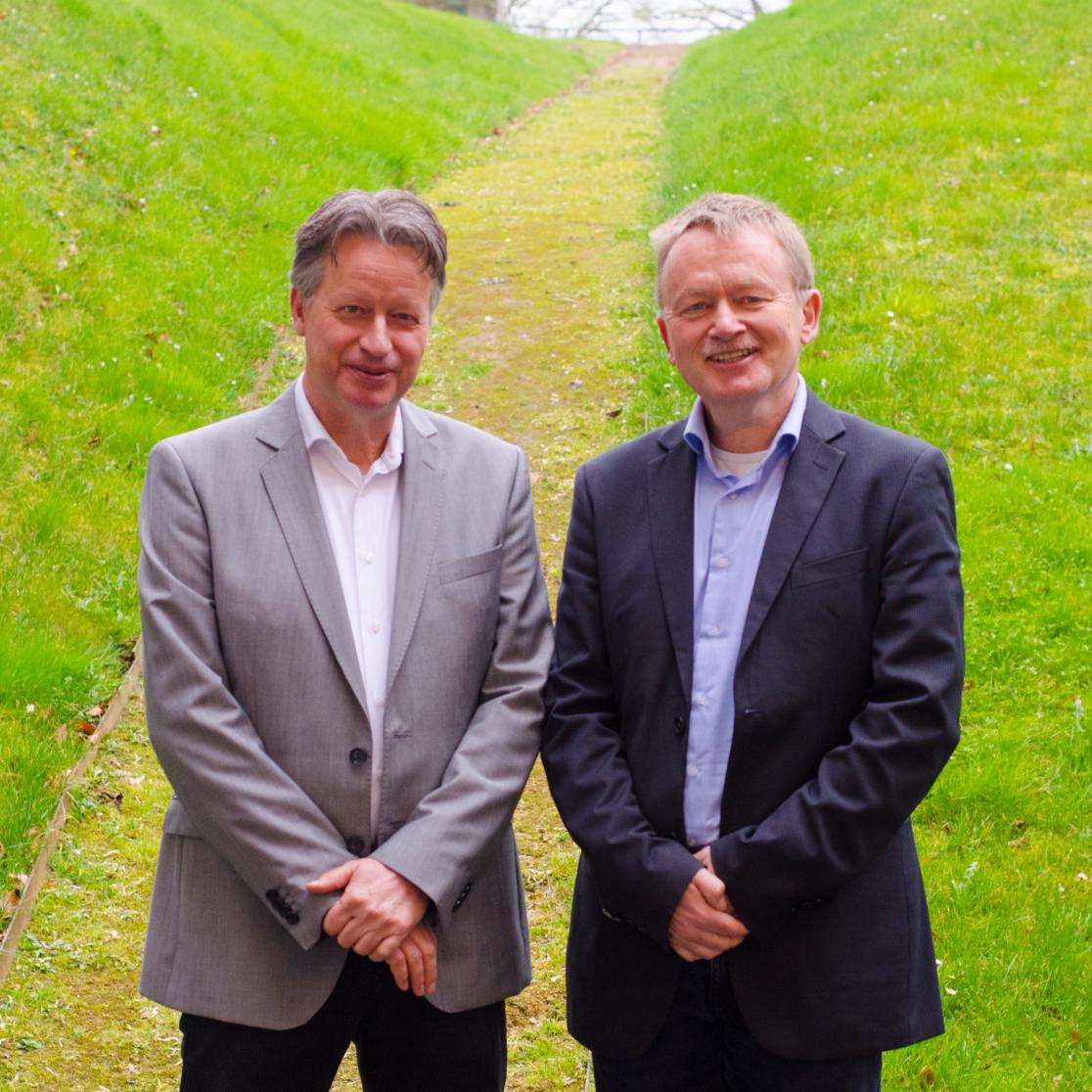
-
Problem-Based Learning meets AI in the classroom
Marc Becker is investigating how the success of AI depends on its social skills, given that AI is increasingly beginning to function as our colleagues, managers, leaders, and even teachers. Among other things, his research explores how AI can support students’ learning process.
-
Lower risk of repeating a grade? Not all schools are the same…
At some schools, students are more likely to repeat a grade than at others. This isn’t just about how a student performs, but also about the school itself. That’s according to new research from Maastricht University and Hasselt University.UM news