Kick-off new EDLAB project ‘VR-enhanced PBL’
Together with the VR/AR expertise centre DEXLab (SBE), EDLAB has started a project about ‘VR-enhanced PBL’. This project aims to see how far VR can enrich PBL learning formats and strengthen the PBL learning principles of ‘constructive’, ‘contextual’, ‘collaborative’ and ‘self-directed learning’.
Until the end of this academic year (2022/2023) faculties will run several pilots with VR in existing courses. With the help of VR glasses, teaching staff can make use of immersive scenarios to train professional skills and offer real-life work/learning experiences through 360-degree videos.
The main goals of the project consist in:
- Developing theoretical and empirical related foundations for VR- enhanced education and a UM-wide vision of VR-enhanced PBL.
- Building on UM’s current VR-enhanced learning initiatives across faculties, to create an interconnected and self-supporting network of digital laboratories.
- Leveraging the commonalities and differences of VR uses among the different faculties to develop synergies and learnings that can benefit UM, from students to teachers.
- Fostering usability of VR, by sharing insights gathered, guidelines and best practices across multiple disciplines.
To create an equal level playing field and stimulate VR-enhanced learning, EDLAB has provided 15 VR glasses to each faculty that did not own any before.
Read the project proposal.
Also read
-
Maastricht University researchers lead €6.6 million NWO project on knowledge security
Maastricht researchers Prof. Dr. Hylke Dijkstra and Dr. Mariëlle Wijermars have received a €6.6 million research grant from the Dutch Research Council (NWO) to study knowledge security in the Netherlands and Europe.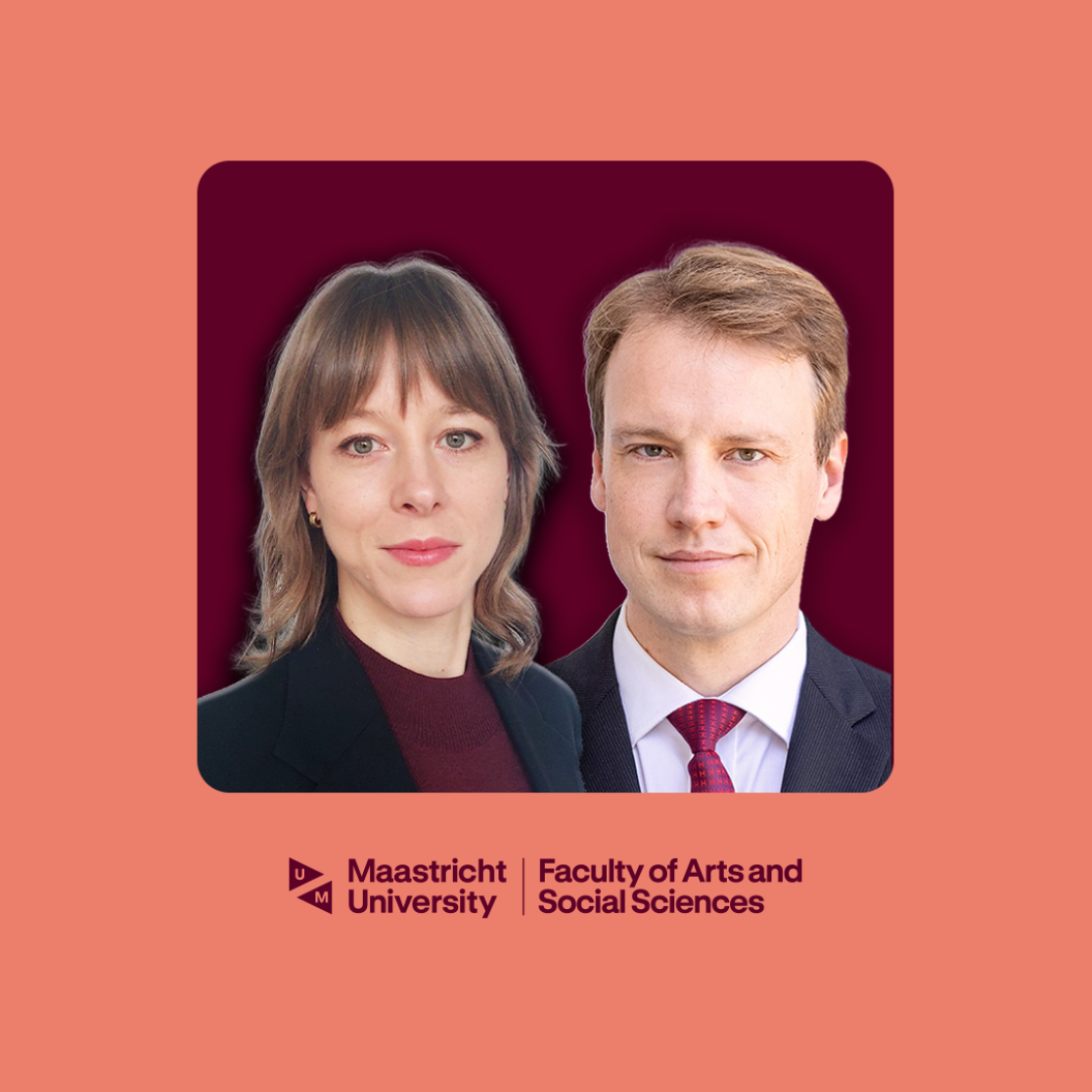
-
'Dutch Compulsory Education Act conflicts with children's rights'
The current Dutch Compulsory Education Act ( leerplichtwet) allows for exceptions that raise questions in practice. Assistant Professor Marieke Hopman believes the legislation regarding the child's right to education conflicts with children's rights.
-
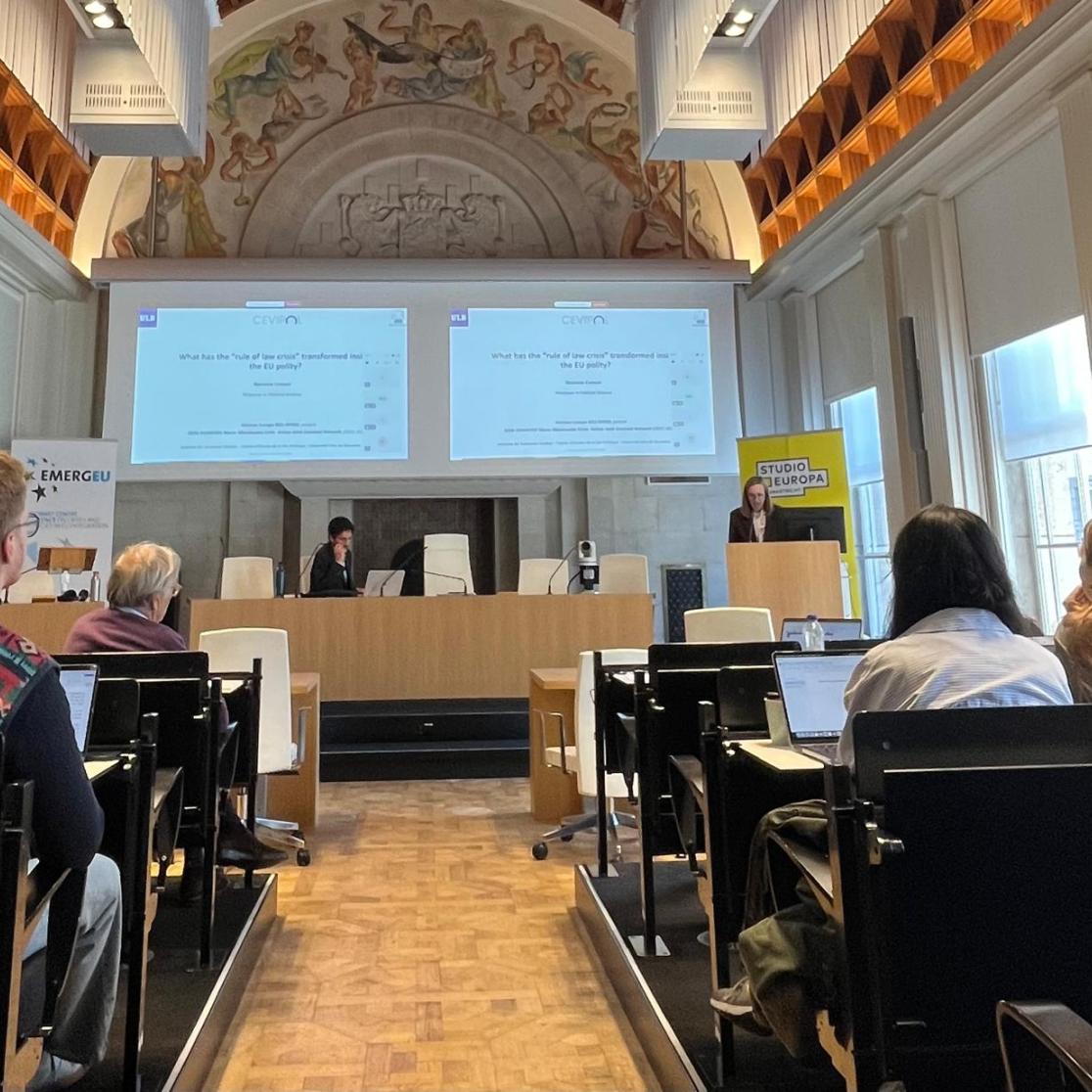
EmergEU hosts Jean Monnet Jecture by Ramona Coman on how the rule of law crisis has transformed the EU polity
Ramona Coman (Université Libre de Bruxelles) delivered a Jean Monnet Lecture at the Faculty of Law, examining what the rule of law crisis has revealed about the EU itself and how it has transformed the EU polity.