Innovative Data Science research project wins award
A research project titled 'Intelligent games for assessing cognitive, social and physical capacities of elderly and children' was awarded a prize at Maastricht University's Pre-Dies Natalis symposium 'The Future of a Data-Driven Society' held on Thursday. Also at the symposium, Claudia Egher was declared the winner of the 'visionary essay competition'.
Video Symposium: The Future of a Data-Driven Society
The winning project's main objective is to reduce all the paperwork and other administrative duties facing teachers and support staff at preschool and primary education through games and intelligent sensors. According to the jury, the project stands out because of its modular research structure and the high number of students involved in it. The winning team consists of 8 students from DKE, 5 scientists from DKE, 3 researchers from SBE, 2 from FPN and 1 from the Faculty of Law. Established by Maastricht University’s Institute of Data Science, the award was made available by the Limburg University Fund.
Also during the symposium, Claudia Egher (FASoS) was proclaimed the winner of the 'visionary essay competition'. The jury praised Egher’s essay, titled "Digital morning or manic by design", for its vision of big data, and for giving the reader a sense of what it will be like to live in a new, big-data future. The essay was published on the Data Science @ UM community website. It was written ‘with a great sense of style’ and has 'a surprising twist'.
A photo impression of the presentations and award ceremonies.
Photography: Harry Heuts
Members of the prize winning team present their research project titled 'Intelligent games for assessing cognitive, social and physical capacities of elderly and children'.


Winner of the 'visionary essay competition' Claudia Egher.


Also read
-
SusCheM’s contribution to the Maastricht University Sustainability Report 2025
The publication of the Maastricht University Sustainability Report 2025 marks an important milestone in the university’s sustainability journey. We are proud that our research group contributed to this effort.Corporate andResearchers
-
NWO Veni Grant for Chang Sun
Dr. Chang Sun received an NWO Veni grant for the project "Generative AI for Causal Treatment-Toxicity Analysis in Rare Blood Cancers ".Researchers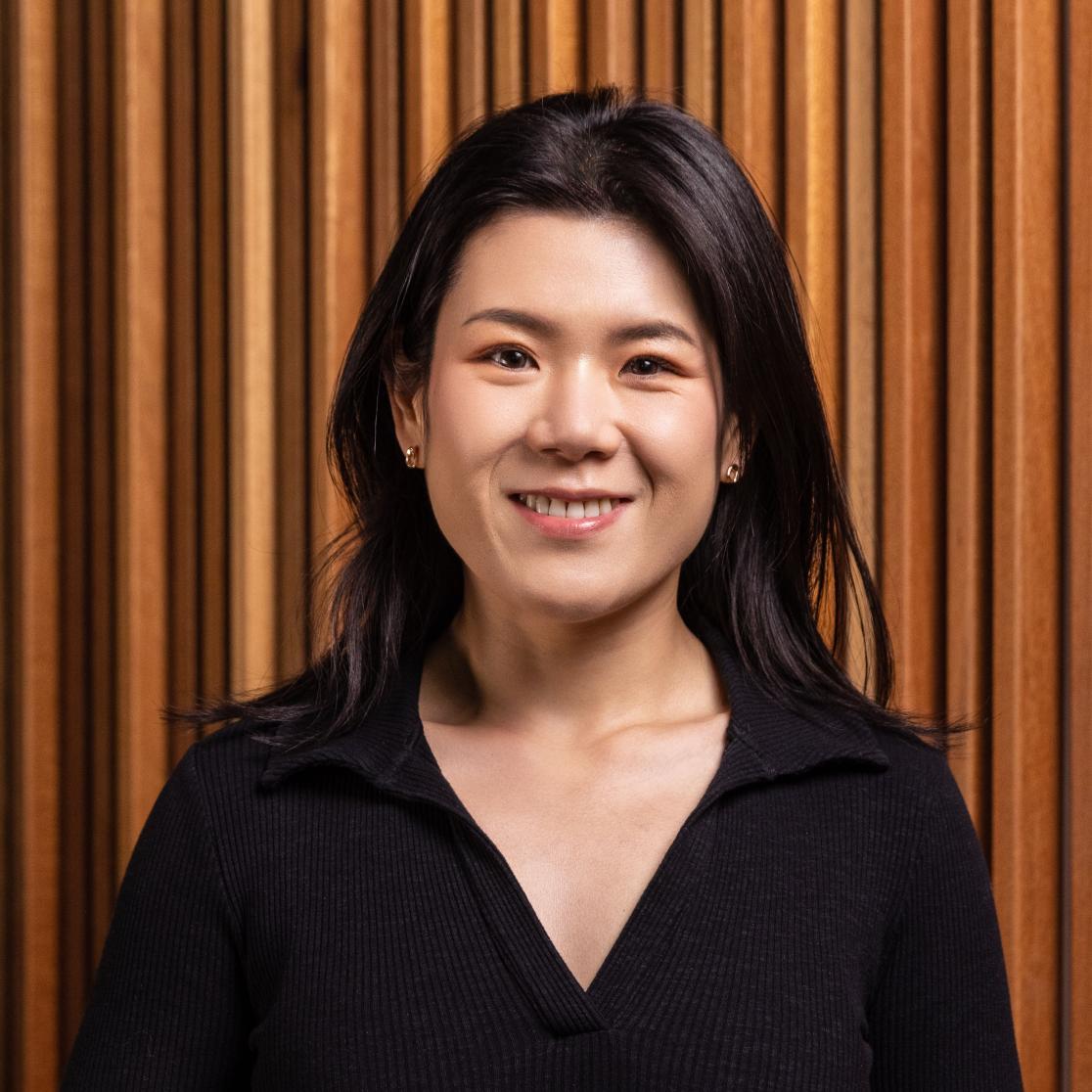
-
NWO Open Competition ENW-XS Grant for Joël Karel
Dr. Joël Karel and his colleagues obtained an NWO Open Competition ENW-XS grant for their project " Let the signals self-calibrate: data-driven inverse problem in electrocardiography".Researchers