Minimally invasive methods spare patients major surgery
For the first time in the Netherlands, Maastricht UMC+ has introduced two new minimally invasive techniques to repair leaking heart valves. The aim of the ‘NeoChord’ technique and the Carillon method is to facilitate heart valve surgery without the need for a heart-lung machine, and without having to open the entire chest cavity. One of the advantages is that the patient recovery time is much shorter. Moreover, patients who would normally be excluded from surgery, due to their age, for example, are now eligible for treatment. Maastricht UMC+ Cardiovascular Centre has now treated the first patients using the new techniques.
In a healthy heart, the mitral valve allows oxygenated blood to flow from the lungs to the body. The valve is located between the left atrium and left ventricle, and pulses in time with the heartbeat. If there is a ‘leak’, and the valve no longer closes properly, it can have far-reaching consequences: the heart swells, blood can no longer be pumped around the body efficiently, and fluid collects behind the lungs. This can ultimately lead to heart failure. This type of leak can have various causes. For example, the connecting parts of the heart valve may be damaged or weakened.

Repairing the leak
The NeoChord technique can be carried out if the tissue to which the valve is attached is damaged and the valve therefore no longer closes properly. Using a special device, the surgeon can reach the ‘leaky’ valve through a small opening in the chest. Without having to stop the heart, the surgeon can then repair the damaged valve with artificial tissue. Cardiologist Jindrich Vainer uses a different minimally invasive technique: the Carillon method. This is an intervention that requires no incision at all, and one that can be used if the heart valve tissue is weakened. By placing a stent (a small tube) in one of the coronary arteries, the cardiologist is able to pull, as it were, on the heart valve and fix it in place so that the repair can be carried out.
Optimum treatment
Both techniques offer several significant advantages over conventional surgery. Vainer: ‘Apart from the fact that this intervention can be carried out in a much shorter time, we also spare the patient a long and difficult recovery. In fact, the patient can go home a day or two later. Furthermore, we can now help patients who used to be excluded from surgery due to the gravity of the operation.’ Sardari Nia adds: ‘By continually applying new techniques, we try to offer every patient the best type of surgery for them, with as few side effects as possible.’
Also read
-
SusCheM’s contribution to the Maastricht University Sustainability Report 2025
The publication of the Maastricht University Sustainability Report 2025 marks an important milestone in the university’s sustainability journey. We are proud that our research group contributed to this effort.Corporate andResearchers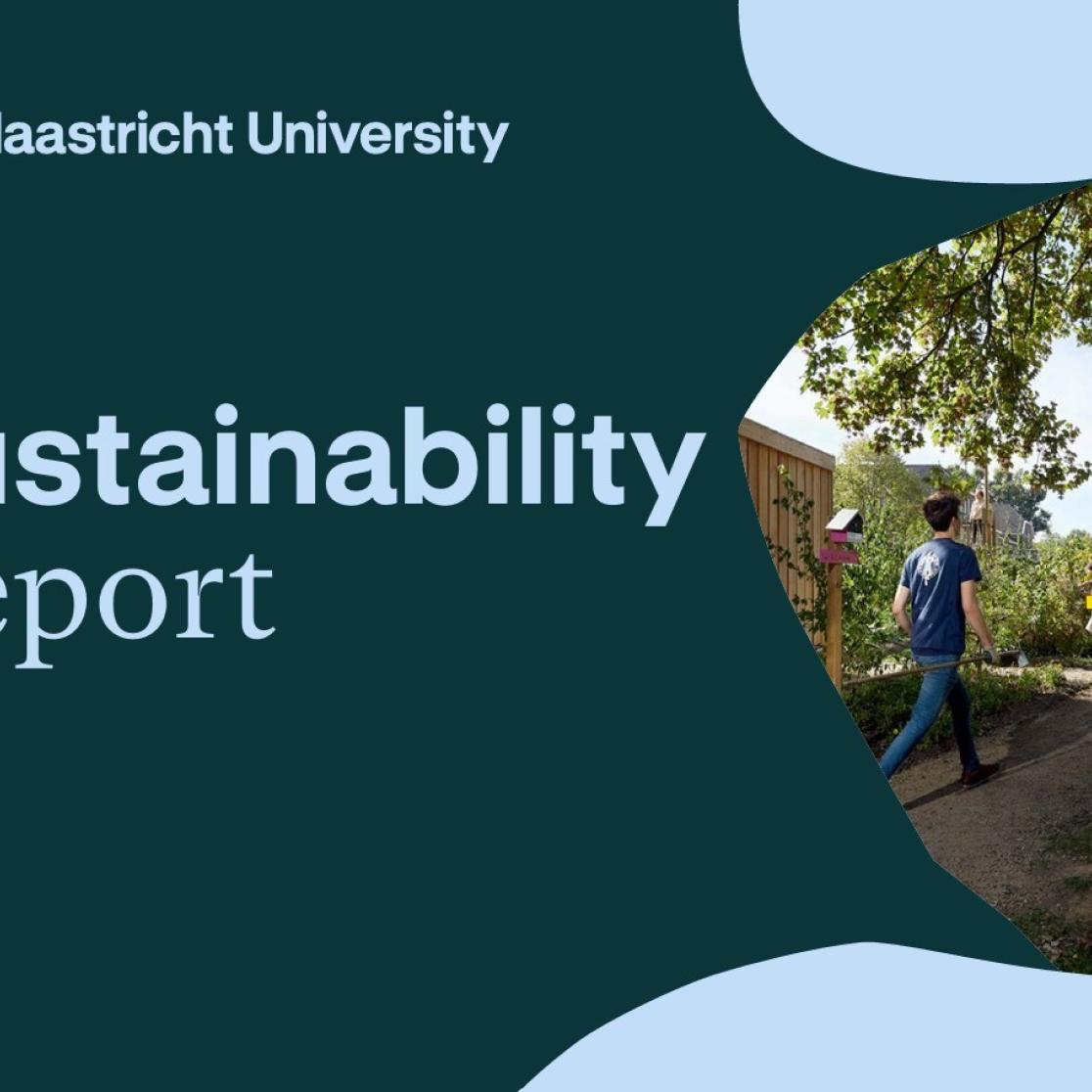
-
Maastricht University signs the Barcelona Declaration on Open Research Information
On 12 June 2026, Rector Magnificus Jan Smits signed the Barcelona Declaration on Open Research Information on behalf of Maastricht University (UM), reaffirming UM’s commitment to more transparent, accessible and responsible research information.Corporate andResearchers
-
Accelerating sustainability and smarter energy management at Maastricht University
Maastricht University (UM) is taking a significant step towards a sustainable and future-proof campus. Together with Facility Services (FS), an integrated approach is being implemented for the building at Duboisdomein 30 (DUB30) to save energy and prepare the building for the future.Corporate,Human interest,Researchers,Students andUM news


