EDLAB launches new project on AI and the future of learning at UM
Starting this September, EDLAB is launching a new project to explore how artificial intelligence (AI) and broader societal shifts will shape the future of learning at Maastricht University.
Future scenarios for learning at UM
Building on UM’s strong foundation in Problem-Based Learning (PBL-CCCS), the project will focus on two interconnected lines of inquiry:
- Fundamental questions about the future of learning and the role of the university.
- AI in education, exploring the why, what, and how of educational design, learning activities and outcomes, and assessment.
The project aims to produce a position paper outlining future scenarios for education at UM, as well as their implications for teaching and learning, students, and staff. In addition, it will provide guidelines, examples, and best practices for integrating AI and constructive alignment in education. (Read the project proposal.)
The project will run from September 2025 to December 2026 and will involve a series of activities designed to gather input from the UM teaching and learning community.
Participate in the project activities
If you would like to be informed or take part in the project activities, please leave your details here.
Also read
-
How can teaching and research reinforce one another?
Teaching and research are often presented as competing parts of academic life. But do they have to be? The new Mending the Gap booklet shows how colleagues across Maastricht University are bringing both together in their everyday work.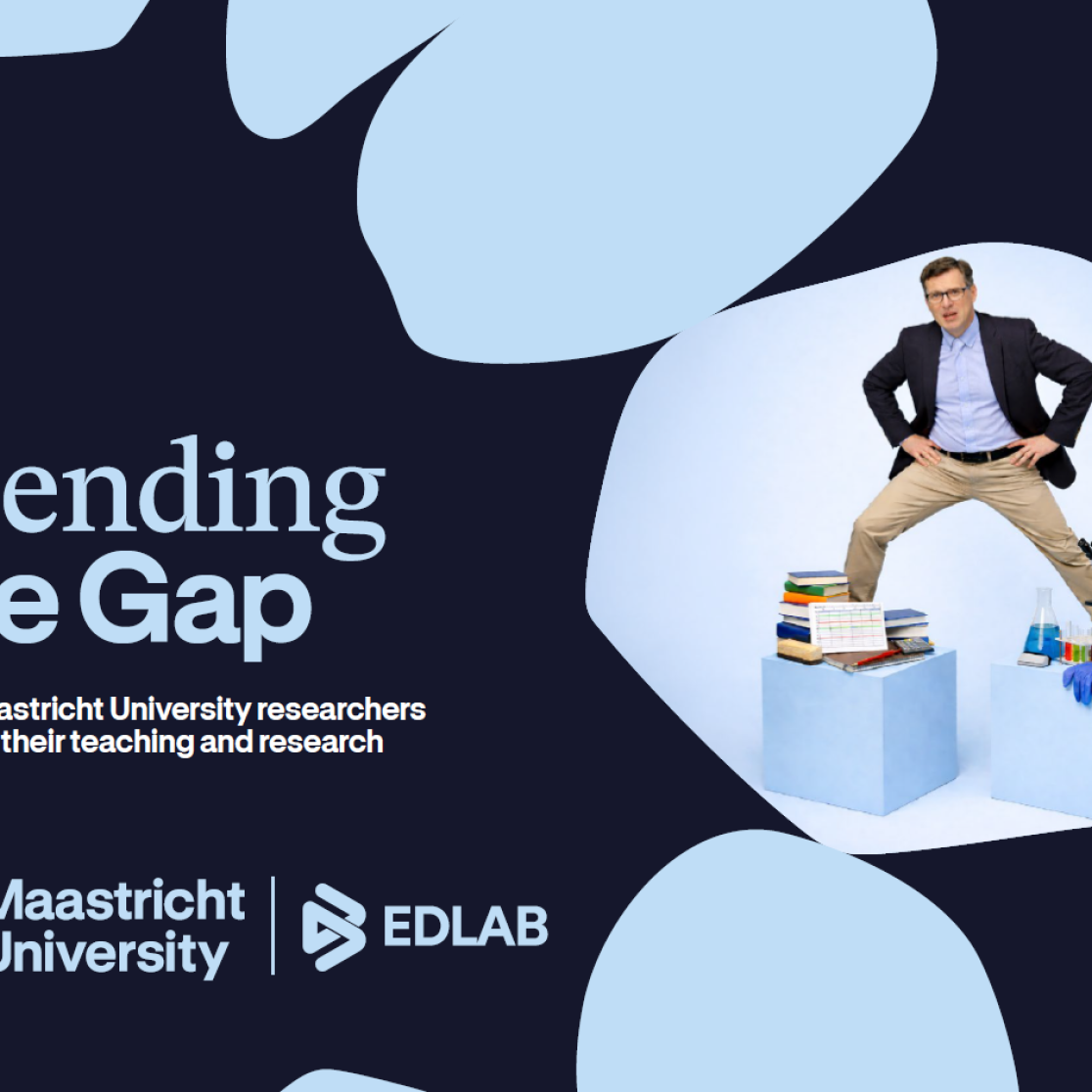
-
When university discussions work – and when they don't
Discussion lies at the heart of Problem-Based Learning, but not every discussion unfolds in the same way. In this article, Johannes Kugel, a third-year Bachelor's student in International Business at Maastricht University, reflects on two tutorial discussions with very different outcomes.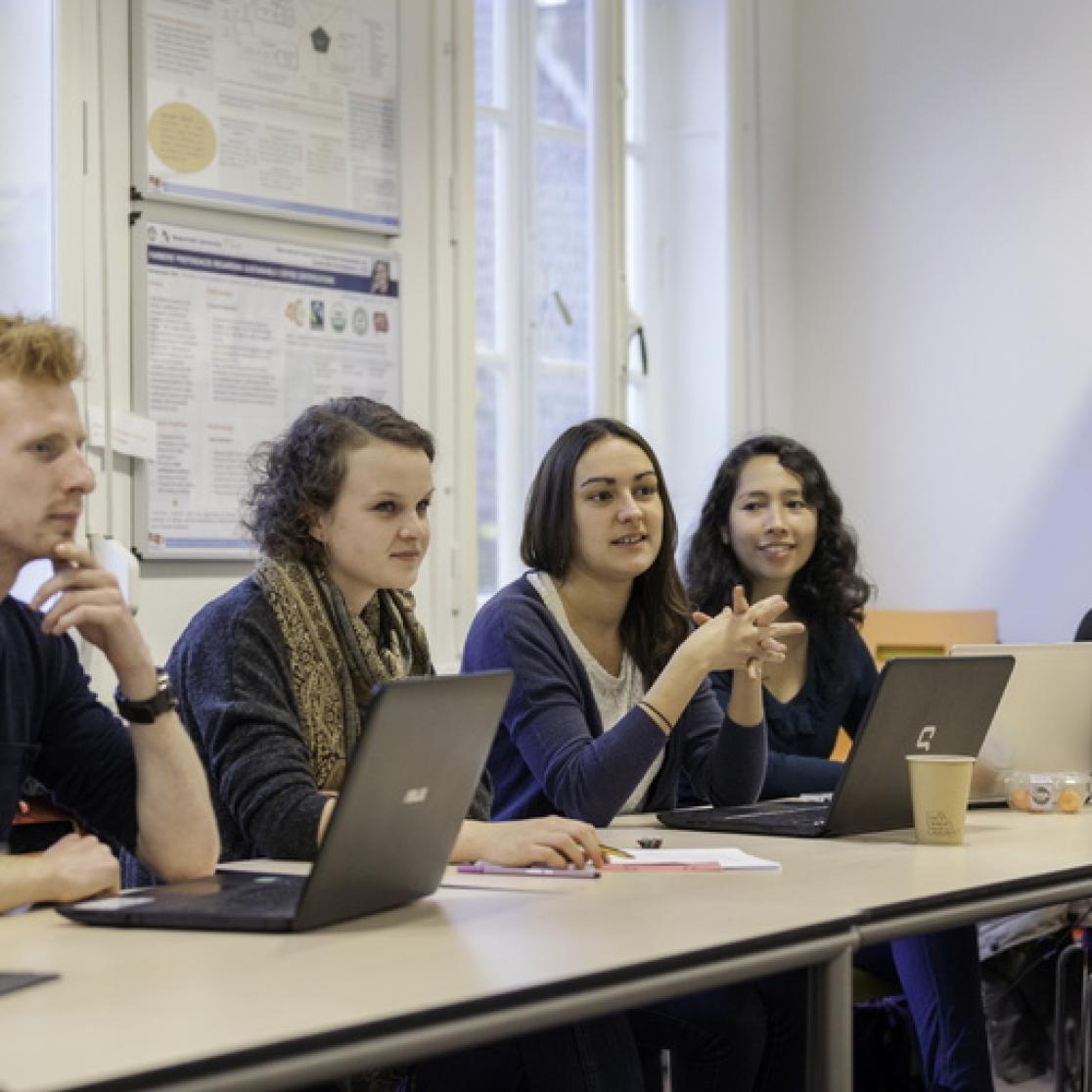
-
Education Research Grants: congratulations to the 2026-27 winners!
Congratulations to the six interdisciplinary teams that won an Education Research Grant for 2026-2027!