Lately, I’ve been thinking a lot about my grandfather. Exactly one hundred years ago, at the age of fourteen, he went to work in a metal factory. There were ten children at home, none with more than a primary school education. For fifty years he worked to the bone, for reasons that included being able to get his son (my father) a secondary school education. My father also couldn’t finish his own school because he had to earn money for the family, something that caused him difficulties the rest of his life. One goal was clear in his mind: his children must be able to go to university. He achieved that goal, and I was the first in my family to graduate. Why am I telling this story? Because I think we live in a privileged society where education is accessible to practically anyone. We must value this, and we must be careful that we don’t go back to the time of my father and my grandfather.
Recent developments at Dutch universities, under the title ‘De Nieuwe Universiteit’ (The New University), put the current system into question. The output of universities, or the ‘rendementsdenken’ (budget- or profit-focused thinking), is under fire, as is the workload, among other things. The call is for the democratisation of universities. In Amsterdam, the turmoil even led to the occupation of university buildings and fierce clashes between students and professors on one side and the administration on the other. In Maastricht, there is a platform that strives toward a ‘new university’, which engages in conversation with the entire university community on these topics. It’s an important conversation to have, because higher education and academic research should be organised in a way that’s acceptable to everyone involved.
A democratic university has to meet the demands of all parties. Students and staff should have a voice in the university community, and I believe that’s also true for the Dutch taxpayers who currently provide 3.4 billion euros of funding per year to Dutch universities. The representative of the taxpayers, the Dutch government, should monitor the quality. While it’s understandable that the students find the pressure to complete their studies within a certain timeframe unpleasant, the public, who are the ones footing the bill, have an interest in students graduating within a reasonable timeframe and entering the workforce.
Ultimately, it’s about finding a healthy balance between everyone’s interests. Is that balance becoming more skewed? Perhaps. Therefore, we need to examine these questions together, as a community, both inside and outside the university. In Maastricht, the Executive Board is absolutely open to this discussion. We welcome the public getting more of a say in the new academic agenda, which involves our academic institutes. And I honestly don’t recognise myself in the sometimes bitter and accusatory labels like ‘authoritarian university administrator’. In my work, I more often feel like a ‘connector’ than a ‘boss’, more like a ‘diplomat’ like the Secretary General of the United Nations than a ‘president’.
The university is not a cookie factory, in which everyone makes the same end product at the same speed, but it’s also not a Volksrepublik . It is an academic community, which must listen to the voices of all stakeholders. University administrators have the fine task of bringing all of the interests into balance, together with the democratically elected councils and in an open dialogue with platforms like The New University. Respect for one another is essential, but so is the faith that universities can take a beating. Of all the organisations around the world that have been around for more than five hundred years, eighty percent are universities. They have survived serious crises like wars and social revolutions, which gives me confidence that we will emerge stronger from the current situation, that we can learn from the triggers that led to imbalance and dissatisfaction and improve and adjust. I remain positive and completely confident about these developments, with a sincere optimism that I borrow from the hard work of my grandfather and my father.

-
From Social Washing to Enhanced Due Diligence
Forced labour remains difficult to detect in garment supply chains, despite the increasing legal weight of companies’ responsibilities to do so. There is a need for novel ways of identifying risks of exploitation. Banks and their data could provide one such avenue.
Law
-
Reimagining Legal Education for the Future of Law
On 16 and 17 April 2026, the 61st annual Association of Law Teachers (ALT) Conference took place at the University of Exeter under the theme: ‘Reimagining Legal Education for the Future of Law’. Attending the conference, together with Nicole Kornet, offered a valuable opportunity to engage with a...
Law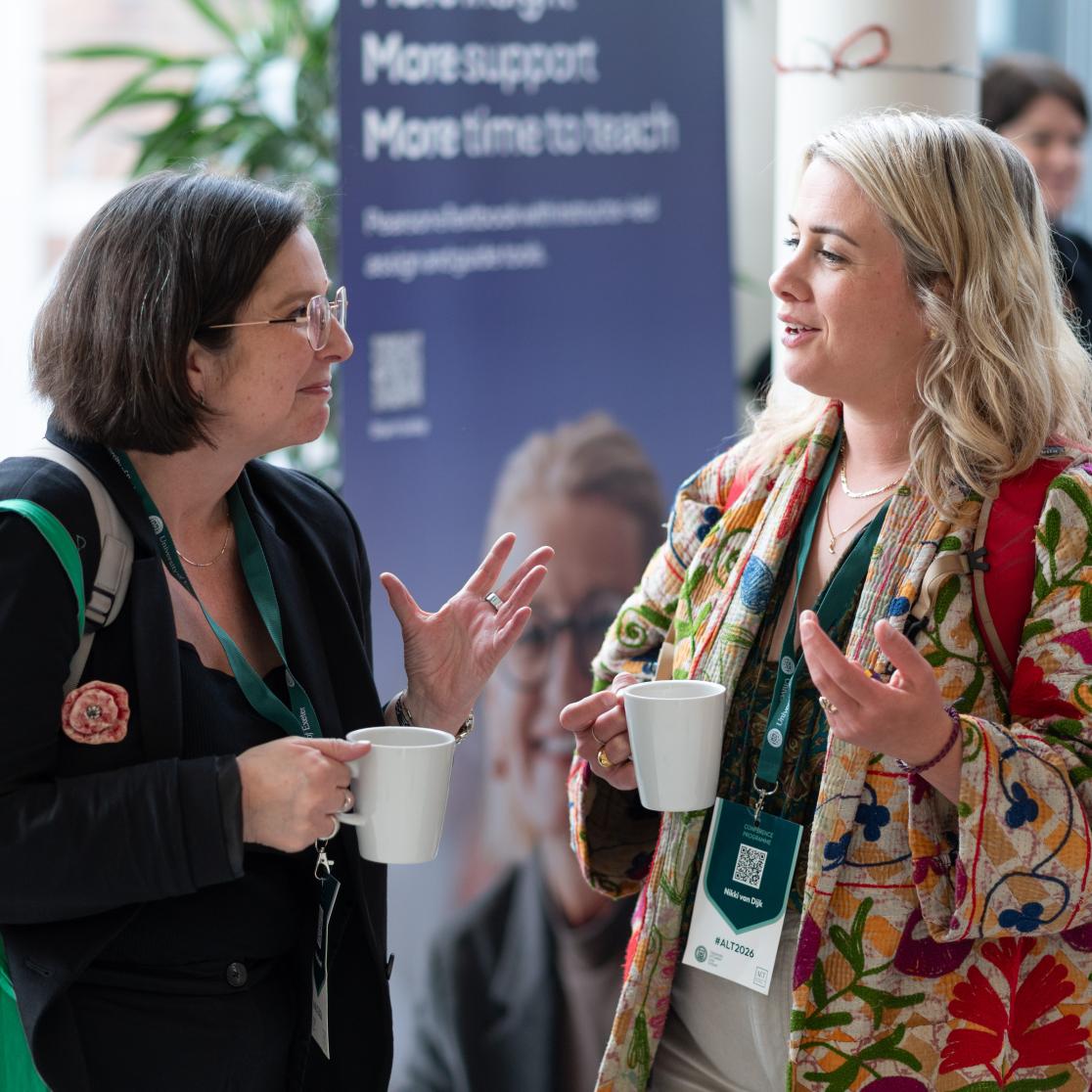
-
Images and Books of Law: A Plea for Visuals in Legal Education
Legal education can be enhanced by activating all senses. Object-based learning and problem-based learning proved to be instrumental in that path towards active transfer and creation of knowledge. The inclusion of relevant visuals in books of law can be likewise of help. Readers can benefit, for...
Law