Opening our Garbage Bags
As part of ongoing efforts to strengthen sustainability practices, a public waste sorting event was organised at Maastricht University to examine how residual waste is managed in everyday campus settings. The primary objective was not only to generate data, but to raise awareness by making the sorting process visible to students and staff in a highly frequented location.
Residual waste bags from university buildings were manually opened, categorised, and weighed. The analysis revealed that a substantial proportion of the materials disposed of in residual waste could, in principle, have been recycled or collected separately. These included organic waste, plastic and drink packaging, paper, and even electronic items such as broken headphones and cables. Together, these findings suggest that residual waste often functions as a default disposal stream, even when alternative collection options are available.

Importantly, the findings suggest that mis-sorting is often linked to practical barriers rather than unwillingness. Bins may not always be available, clearly labelled, or conveniently located. When in doubt, people tend to choose the closest option.
More than anything, the event demonstrated how small everyday decisions add up. With clearer communication and better-aligned infrastructure, Maastricht University has strong potential to significantly improve waste separation and move closer to its circular ambitions.

Also read
-
Evidence-based e-learning modules for sexual safety in higher education
Eight universities and universities of applied sciences are developing e-learning modules for the Dutch higher education sector to help reduce sexual misconduct and sexually inappropriate behaviour.
-
SusCheM’s contribution to the Maastricht University Sustainability Report 2025
The publication of the Maastricht University Sustainability Report 2025 marks an important milestone in the university’s sustainability journey. We are proud that our research group contributed to this effort.Corporate andResearchers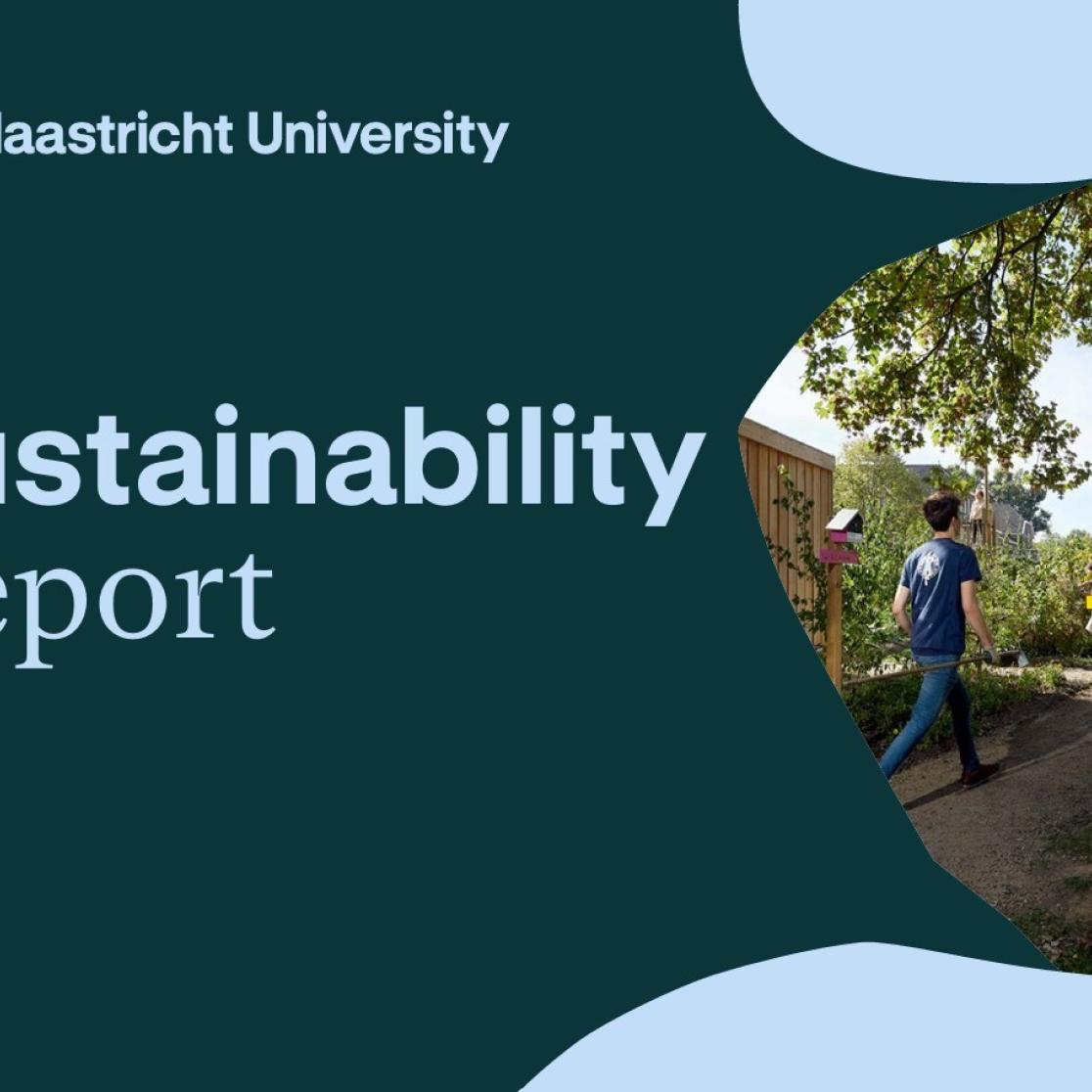
-
How can we ensure smart homes remain human?
Maastricht University and Radboud University are diving deeper into smart technologies for the elderly. How can we ensure these technologies are not only smart, but genuinely meet the needs of the people who live with them?


