Count down with us to 50 years of UM
Exactly 50 years ago, an academic adventure began in Maastricht that has grown into the Maastricht University you know today. On 9 January 1976, in the presence of Queen Juliana, the founding charter of the then Rijksuniversiteit Limburg was signed. The Netherlands gained a new university, and Maastricht a new role as an academic city. From the very beginning, this was a university that stood for innovation and charting its own course. With small-scale, problem-based learning and a strong commitment to society – in the region and far beyond – a conscious choice was made to do things differently. A mindset that is still clearly reflected in who UM is today and in the way education and research are shaped.
In the coming weeks, we will count down together to 23 January: the moment when we officially kick off our anniversary year during the Dies Natalis. Together with students, staff, alumni and everyone who feels connected to UM – including you. The countdown has started on the UM50 website. From 23 January onwards, you will find activities, stories and initiatives there that show how 50 years of UM are being celebrated together, with students, staff, alumni and the region.
Also read
-
Evidence-based e-learning modules for sexual safety in higher education
Eight universities and universities of applied sciences are developing e-learning modules for the Dutch higher education sector to help reduce sexual misconduct and sexually inappropriate behaviour.
-
SusCheM’s contribution to the Maastricht University Sustainability Report 2025
The publication of the Maastricht University Sustainability Report 2025 marks an important milestone in the university’s sustainability journey. We are proud that our research group contributed to this effort.Corporate andResearchers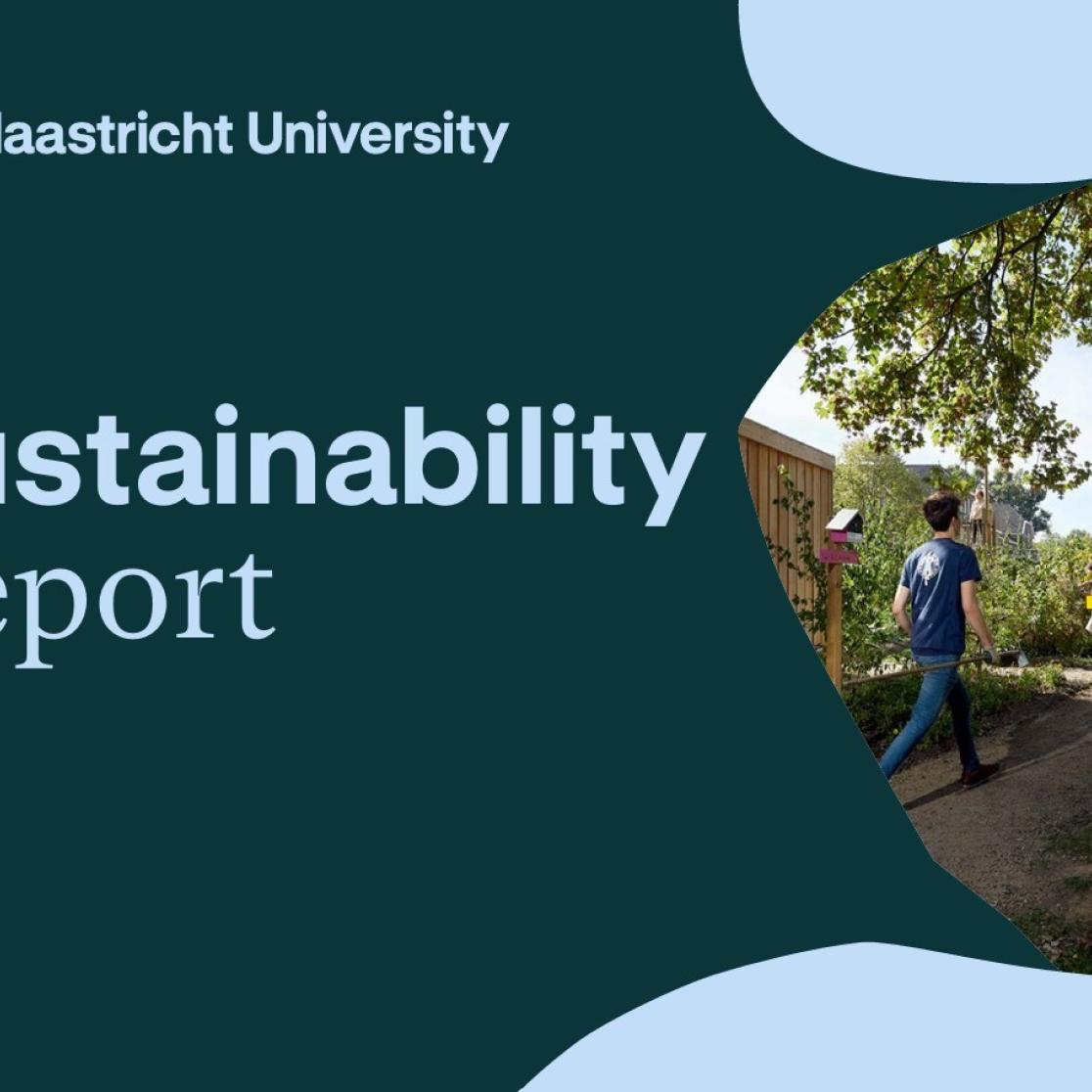
-
How can we ensure smart homes remain human?
Maastricht University and Radboud University are diving deeper into smart technologies for the elderly. How can we ensure these technologies are not only smart, but genuinely meet the needs of the people who live with them?


