Exposure to natural daylight improves metabolic health
Natural daylight has a positive effect on blood sugar levels in people with type 2 diabetes, according to an international study led by Maastricht University. This is the first study to show that natural daylight is better for metabolism than artificial light, the researchers claim. Natural light helps to better synchronise our biological clock with various bodily processes, such as better control of blood sugar levels. The results of the study were published earlier this week in the scientific journal Cell Metabolism.
More and more people are suffering from metabolic disorders, such as type 2 diabetes. This is partly due to a lack of exercise, spending a lot of time indoors and a disrupted day-night rhythm. People spend almost 90% of their time indoors and therefore experience little natural daylight.
Research with natural and artificial light
Thirteen volunteers aged 65 and older with type 2 diabetes participated in the study. They stayed in special living quarters at Maastricht University for 4.5 days. The rooms were lit either with natural daylight through large windows or with artificial light. After a four-week break, the participants repeated the experiment, but in the other lighting environment. All other factors, such as eating, sleeping and exercise, remained the same. This allowed the researchers to clearly see the effect of light.
Better blood sugar and metabolism
The results were clear. When exposed to natural daylight, blood sugar levels remained within healthy ranges more often and fluctuated less. Metabolism also improved. In addition, participants had slightly higher levels of melatonin in the evening, a hormone that is important for the sleep-wake cycle.
‘Daylight can have this effect because light-sensitive cells in the eye play an important role in regulating that rhythm,’ explains lead researcher Joris Hoeks. These cells are more sensitive to the short wavelengths that are common in natural light. People with type 2 diabetes can therefore already benefit from more daylight, even if they just sit by a window. ‘It's simple, free and available to everyone,’ he says.
The researchers now want to conduct follow-up research in everyday life. Participants will be monitored over a longer period of time with light meters and glucose meters.
Also read
-
Congratulations: Best Demo Award at BioSB 2026 for Marvin Martens!
Congratulations: Best Demo Award at BioSB 2026 for Marvin Martens!UM news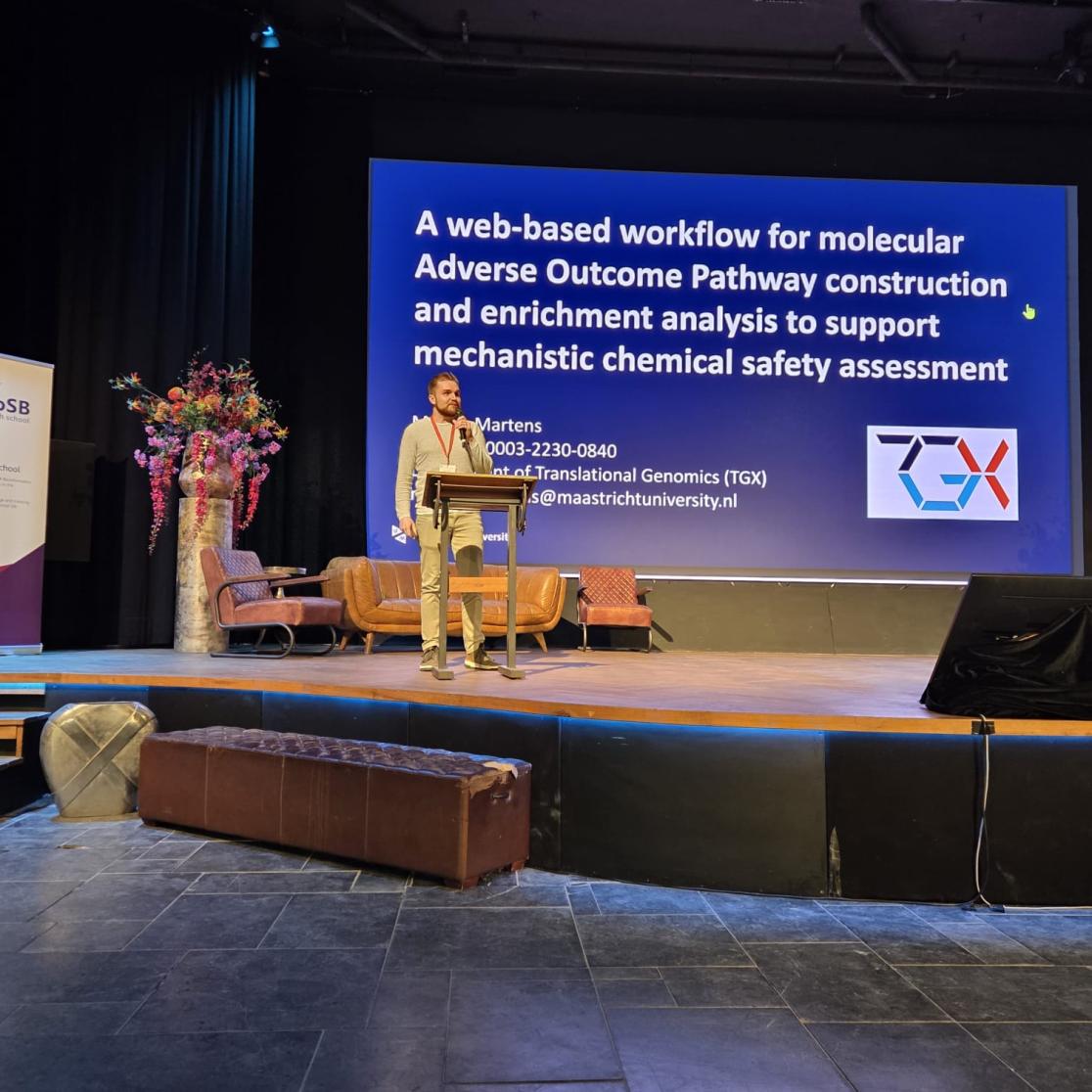
-
The doctor’s coat with extra pockets
FHML implemented the first internship in the Netherlands, where students participate in a societal or healthcare organisation, without their white coat.UM news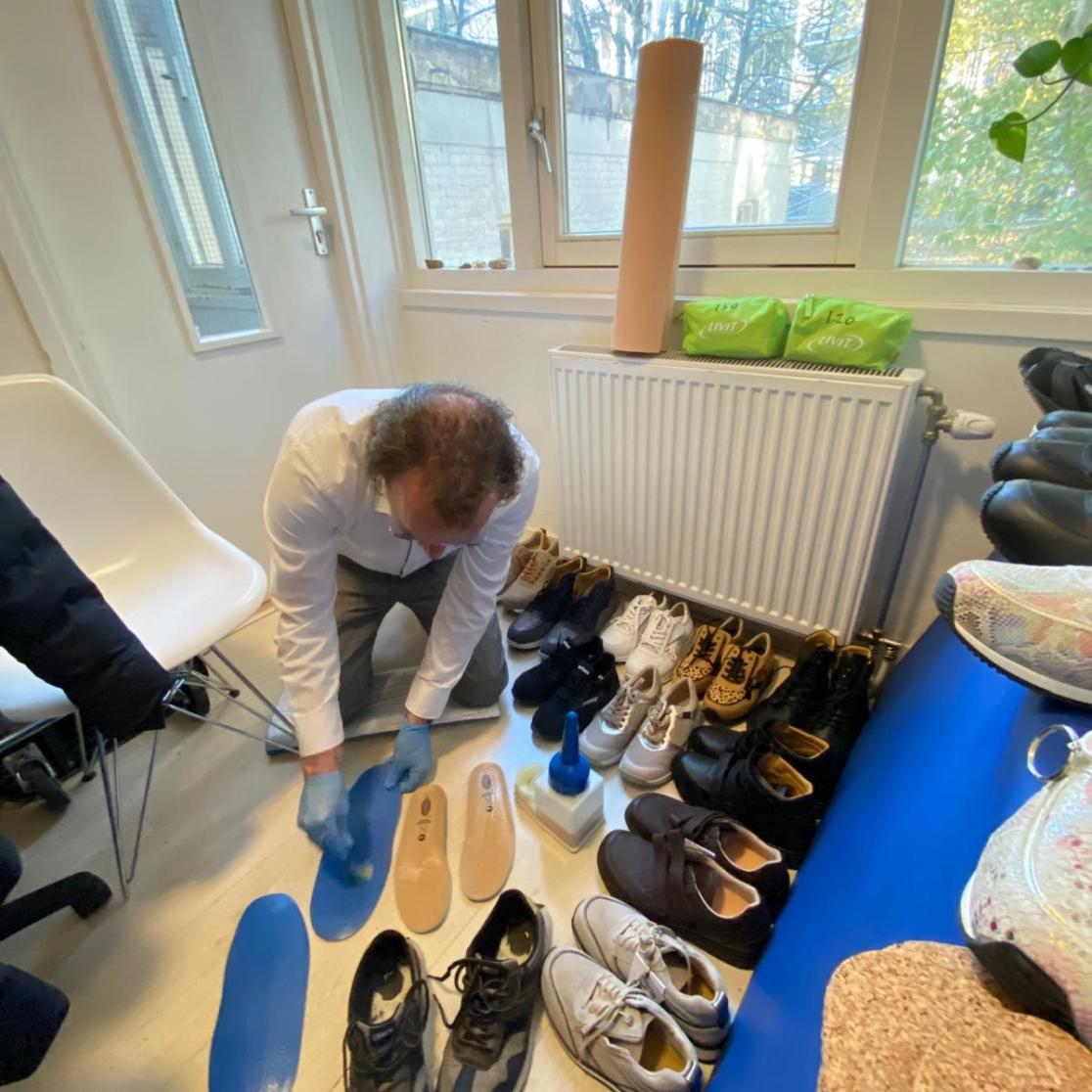
-
Subsidies for Maastricht UMC+ and Zuyderland for joint research
Eight new research projects in South Limburg are receiving funding for joint research and innovation projects from Maastricht UMC+UM news