Search results
396 results
How Maastricht University is tackling its carbon footprint
To reach climate-neutral operations by 2035, Maastricht University is taking a deep dive into its carbon emissions — from energy use and mobility to procurement and waste. Scopes 1 and 2 are already well-tracked, but Scope 3 remains the biggest challenge, representing most of UM’s carbon footprint.
CHAINLAW: Responsive Law for Global Value Chains
Doctrine, documents, data – this is the trinity which Anna Beckers will analyse in her ERC-funded project CHAINLAW. The project will lay the foundation for developing a regulatory framework in response to the socio-economic institutions that make up global value chains. Her holistic approach will...Featured
Business Engineering studenten winnen internationale prijzen
Een team Business Engineering-studenten van de UM heeft recent drie prijzen gewonnen bij de gerenommeerde ENGCOMM, de Engineering and Commerce Case Competition, die werd gehouden door de University of Concordia in Montreal (Canada).Students andStudents going the extra mile
INKOM most sustainable introduction week in the Netherlands
The introduction week of Maastricht University, INKOM, was this year’s most sustainable Dutch introduction week.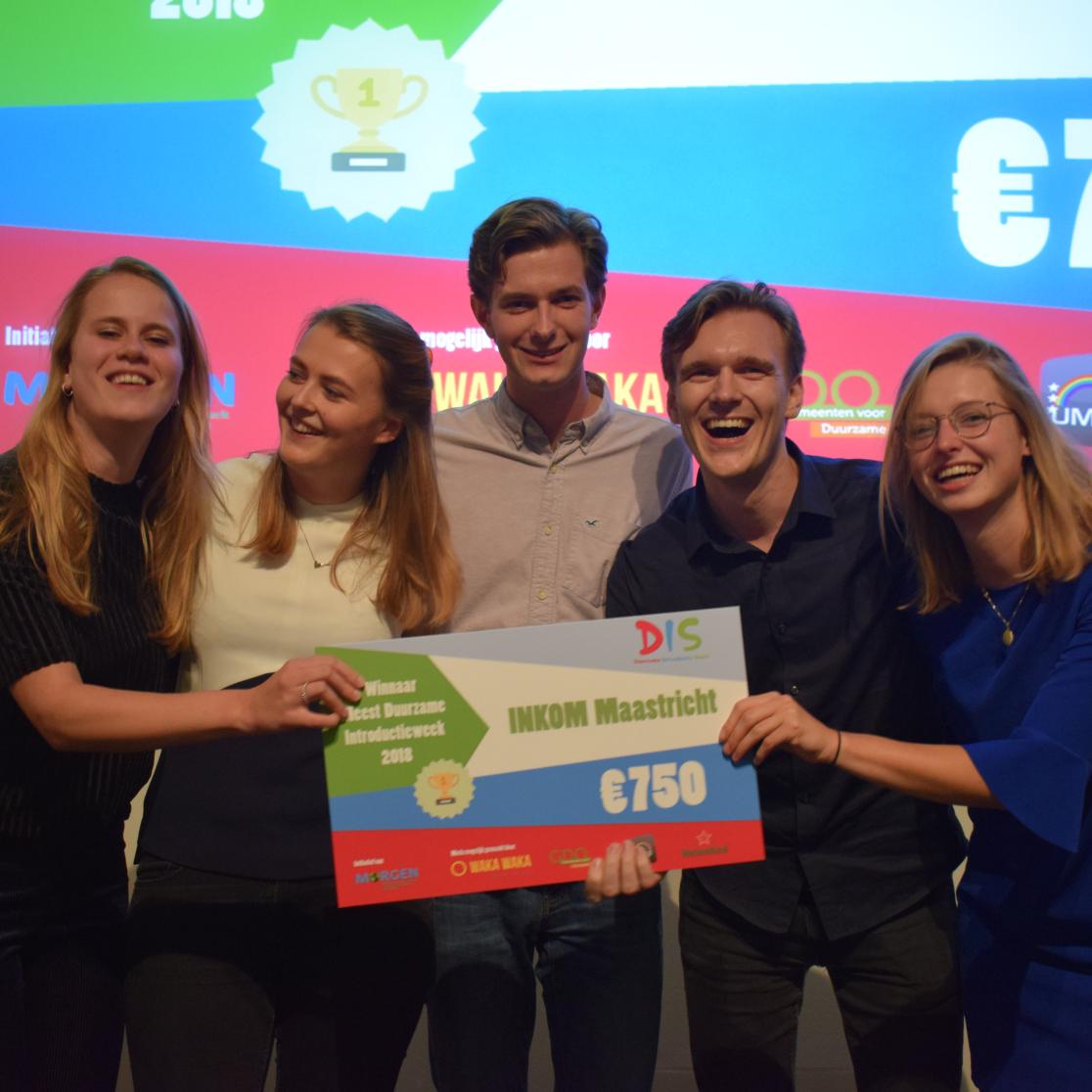
If all are good, which one to choose? Supply Chain Contracting to Create Win-Win Deals
A research blog post on Supply Chain Contracts by Özge Tüncel, an Assistant Professor at Marketing and Supply Chain Management Department.
Smart & Secure Public Procurement in the EU
EU public procurement is evolving from purchasing goods and services to driving digital transformation. At the crossroads of law, technology, and policy, procurement shapes data management, cybersecurity, and the security, fairness, and trustworthiness of digital and cloud systems.Knowledge session andLecture29 Oct30 OctBlog: What is the purpose?
The Netherlands is a country of people with a trade instinct, but also with a moralistic side. However, this seems to be changed because of the COVID-19 crisis. A strong shared purpose would help procurement professionals navigate these ethical challenges accelerated by COVID-19.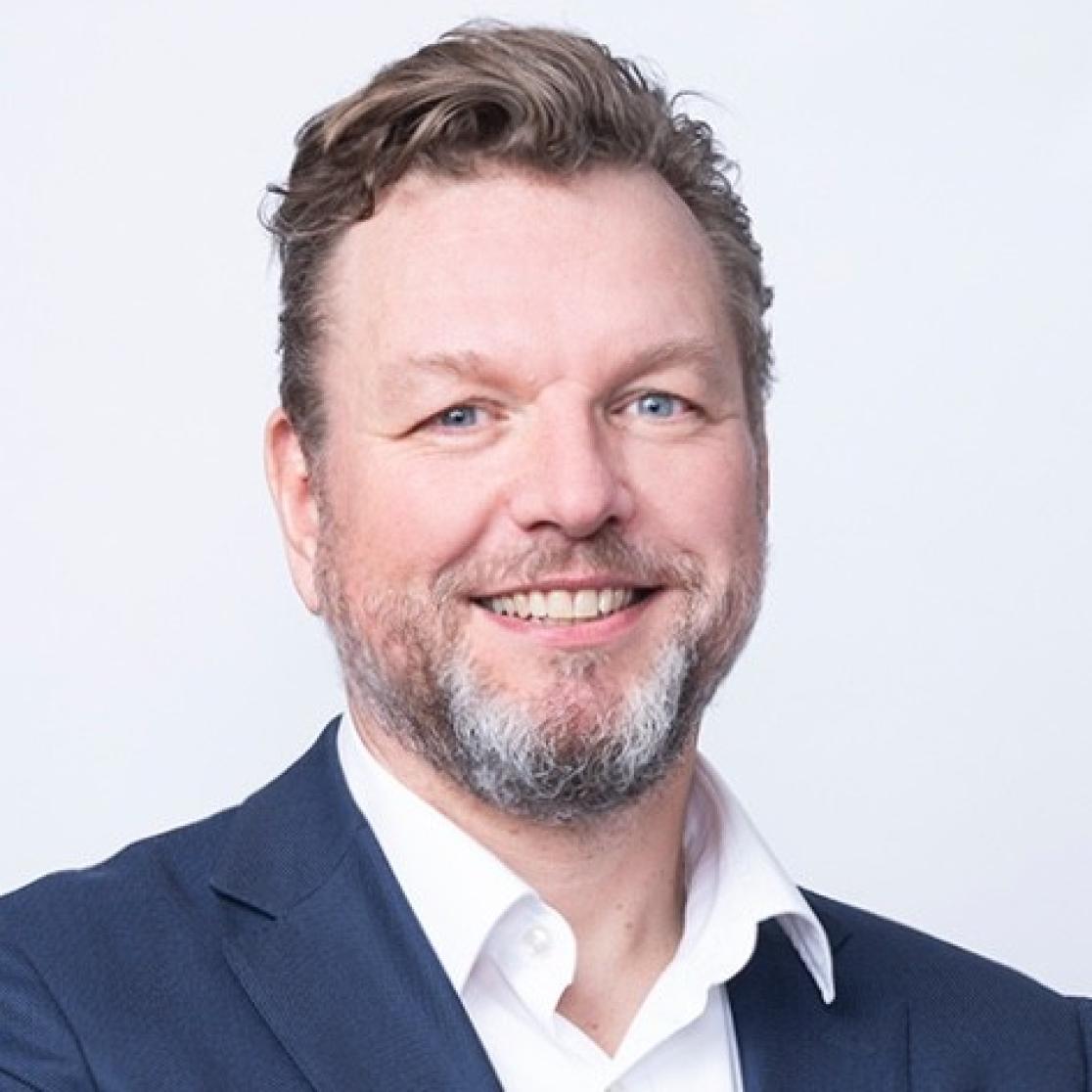
Prof Dr Frank Rozemeijer (F.A.)
Marketing & Supply Chain Management of School of Business and Economics