Update 12 May 13:00 hours | Canvas has been reconnected
Canvas has been reconnected and is largely available for use following a successful round of testing this morning. This means that students and staff should now be able to work with Canvas without any issues.
What if Canvas still isn’t working for you?
For anyone experiencing issues opening Canvas:
- Use a different browser if one is already installed on your device, or open an incognito/private window in your current browser.
- Clear the cache of your default browser. For most desktop browsers (Chrome, Edge), the quickest method is to use the keyboard shortcut Ctrl + Shift + Del (Windows) or Cmd + Shift + Del (Mac), and then select “Cached images and files” to clear them.
If you still experience problems after these steps, please contact the ICTS Service Desk.
Stay alert
The decision to put Canvas online followed extensive checks, risk analyses and tests within UM systems over the past few days. In addition, media reports today indicated that the Canvas supplier may have reached a deal with the hackers. This appears to have reduced the threat of stolen data being distributed. Nevertheless, it remains extremely important to stay alert to phishing emails. Please continue to follow this advice.
Thank you
The unavoidable interruption to Canvas access has caused inconvenience for all users. We would like to sincerely thank everyone for their patience, as well as for the resourcefulness shown in working around the disruption. We also extend our gratitude to everyone who has worked long hours over the past week to help restore normal operations as quickly as possible.
Also read
-
BlueLab: preparing law students for responsible AI use
Dr. Rohan Nanda and Dr. Henrique Marcos received a Comenius Teaching Fellows ho 2026 grant for their project ‘AI Due Diligence lab for the Blue Economy (BlueLab)’.Researchers
-
Congratulations: Best Demo Award at BioSB 2026 for Marvin Martens!
Congratulations: Best Demo Award at BioSB 2026 for Marvin Martens!UM news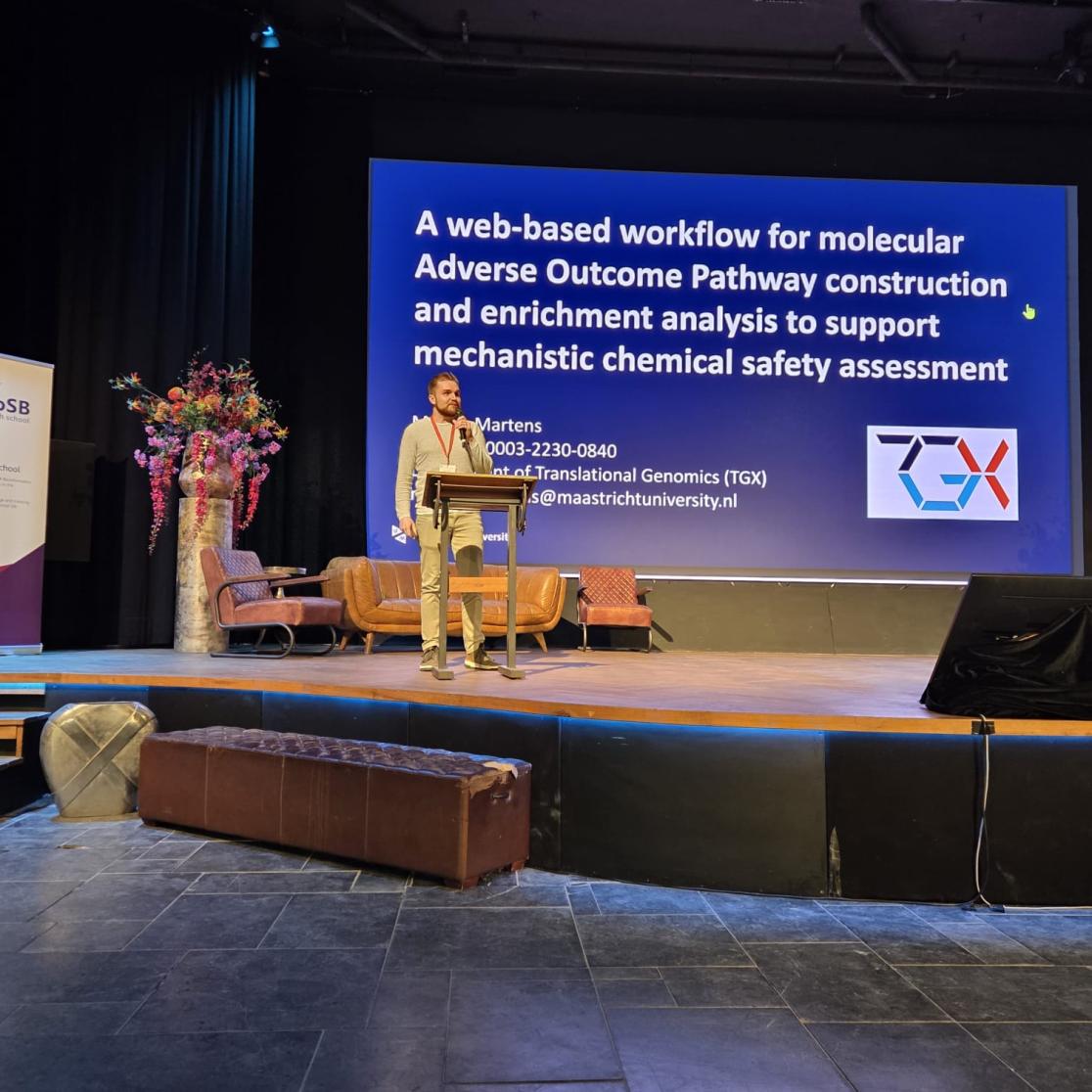
-