CARIM - Cardiovascular Research Institute Maastricht
CARIM is one of the top institutes for translational cardiovascular research in Europe. It is among the world leaders in the fields of research into vascular and thrombotic disorders and atrial fibrillation, as well as translational heart failure research. It has also made important international contributions to molecular imaging in the cardiovascular field.
Cardiovascular scientists from around the world have joined CARIM because it values open communication, close cooperation, high ambitions, excellent facilities, and a critical learning environment.
Research
The research within CARIM is divided into three divisions. Each division consists of more interdisciplinary research programmes, each led by a Principal Investigator (PI). The PIs are responsible for the scientific progress of the programme, the mentoring of PhD students and post-docs, and the financials of the programme.
Education
CARIM combines high-level scientific research with high-level education of young researchers, and is therefore qualified as a research school by the Royal Netherlands Academy of Arts and Sciences (KNAW) and recognised as an international training site for Early Stage Researchers by the European Union.
CARIM offers a flexible and integrated education and training programme that suits individual ambitions of our students. The education programme consists of a specialization within the FHML master's programmes in Biomedical Sciences and Physician-Clinical Investigator (MSc/MD) and a contiguous PhD (doctoral) training programme.
Divisions
The three divisions within CARIM are:
- Blood
- Heart
- Vessels


Catheter treatment is not only effective, but also cost-effective for ischemic stroke


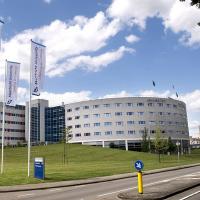
CARIM works in close cooperation with the Maastricht University Medical Center+ (MUMC+). MUMC+ is known both nationally and internationally for its focus on prevention and taking an integrated approach to health care: from prevention, promotion of good health, and basic care, to top-level clinical diagnostics and treatment. Patient safety is our top priority in all of our endeavours. MUMC+ is part of The Netherlands Federation of University Medical Centres.